India's B2B procurement landscape is being reshaped at an unprecedented pace in 2026. The convergence of digital procurement platforms, AI-driven vendor discovery, and a maturing supply chain ecosystem is giving procurement managers tools and capabilities that were unimaginable just three years ago. Nowhere is this transformation more visible than in the branded merchandise and admin supplies category, a segment that was historically managed through informal supplier relationships and manual purchase orders, but is now being professionalised by forward-thinking companies in Pune, Mumbai, Bengaluru, and across India.
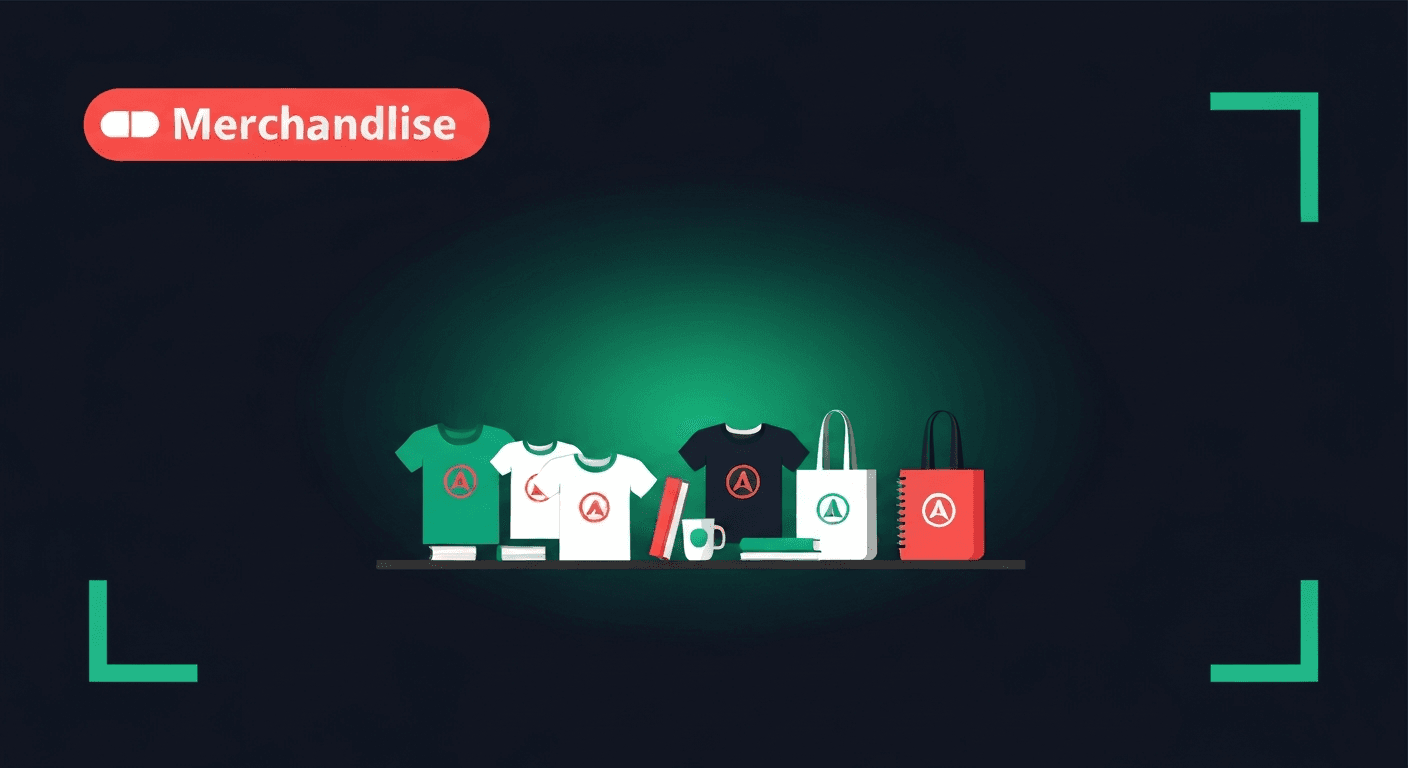
Branded merchandise, everything from company T-shirts and caps to custom drinkware, bags, stationery and corporate gifts, is no longer treated as a discretionary spend category. In 2026, it has become a strategic lever for employer branding, employee engagement, and client relationship management. Companies competing for top talent in India's tight labour market understand that the quality of employee merchandise speaks volumes about culture. A premium branded hoodie signals care; a cheap promotional pen signals the opposite. The bar for acceptable quality has risen sharply, and procurement teams are increasingly specifying materials, finish quality, and customisation standards with the same rigour they apply to capital expenditure.
The admin supplies and office consumables category has seen a quiet revolution driven by platform-based procurement. Rather than maintaining relationships with 10 to 15 local vendors and managing separate PO processes for each, companies are consolidating their stationery, paper, toner, pantry supplies, and branded merchandise onto unified procurement platforms. This consolidation delivers immediate benefits: better pricing through volume aggregation, unified billing, spend visibility, and dramatically reduced procurement admin time. Adalwin Commerce™ provides exactly this consolidated model for businesses, offering a single-window procurement experience covering branded merchandise, corporate gifting, admin supplies, and corporate events. Browse the full corporate shop catalogue.
Sustainability is increasingly a procurement requirement rather than a preference. India's large listed companies now face ESG disclosure requirements that flow through to their supply chains, including merchandise vendors. Procurement policies at many Bengaluru-based tech companies and Mumbai-based financial services firms now mandate sustainable sourcing for branded merchandise, requiring suppliers to demonstrate use of recycled materials, ethical manufacturing practices, and reduced packaging waste. This is pushing the entire merchandise supply chain to upgrade. Suppliers who cannot meet these requirements are being dropped from approved vendor lists, creating an accelerating shift toward certified sustainable manufacturers.
The role of technology in B2B procurement is growing rapidly. AI-powered procurement tools can now analyse historical spend data, identify consolidation opportunities, benchmark vendor pricing against market rates, and even generate RFQ documents automatically. In the branded merchandise space specifically, digital design tools allow procurement teams to visualise finished merchandise before placing orders, eliminating the expensive and time-consuming physical sample stage. Augmented reality preview tools let teams see how a logo will look on a product in real-world context. These tools are democratising access to quality merchandise procurement for mid-sized companies that previously lacked the volume or expertise to access premium suppliers.
Quality benchmarking has become a critical procurement discipline in this category. Where procurement teams once relied on vendor claims and catalogue photos, they now specify GSM for apparel, microns for packaging, ml and grip standards for drinkware, and certification requirements for safety-sensitive items. Premium T-shirts are now expected to meet 180-200 GSM with combed cotton or cotton-blend composition. Notebooks are specified with 80-100 GSM paper and hardbound covers. Drinkware specifications include BPA-free materials, vacuum insulation for flasks, and leak-proof test certifications. These specifications feel pedantic but they separate merchandise that impresses from merchandise that embarrasses, and procurement teams are quickly learning to hold suppliers to them.
Digital-first procurement workflows are becoming table stakes. Leading merchandise suppliers now offer online catalogues with live pricing, self-serve mockup generators, digital purchase orders, real-time production tracking, and GST-compliant digital invoicing. For procurement teams accustomed to email-based coordination, PDF quotations, and paper-based POs, this shift delivers immediate productivity gains. A merchandise order that previously took two weeks of back-and-forth to finalise can now be scoped, mocked-up, approved, and issued in a single afternoon. Adalwin Commerce™ has invested heavily in exactly this kind of digital procurement experience through its gifting portals and shop platform at swipe.adalwin.com.
The vendor consolidation argument in this category is easy to make and easy to test. A company running merchandise, admin supplies and corporate gifting through three or four separate vendors is splitting its volume three or four ways, and paying for setup, sampling and freight on each one. Put the three categories with a single specialist partner and that volume aggregates into one negotiation. The admin load falls with it, because one PO and one invoice replace several. The gains build year on year as the partner learns the company's brand standards, preferred SKUs and fulfilment patterns. For procurement leaders building FY2026-27 category strategies, vendor rationalisation in merchandise and supplies is among the highest-ROI initiatives available.
Finally, storytelling is reshaping how merchandise programmes are conceived. Rather than treating T-shirts, bottles, and bags as transactional giveaways, leading companies are positioning each merchandise touchpoint as a narrative moment: a new joiner welcome kit that reinforces culture on day one, a milestone anniversary gift that celebrates tenure, a client appreciation box that reflects shared values. This narrative-first approach elevates merchandise from procurement line-item to brand asset, and it is measurably raising the quality bar across the industry.
For businesses looking to elevate their branded merchandise and B2B procurement practices in FY2026-27, the key decisions are: consolidating vendors to reduce complexity and cost, raising quality standards to match employer brand ambitions, building sustainability requirements into vendor selection criteria, and choosing a procurement partner with the technology, relationships, and fulfilment capability to deliver consistently at scale. Adalwin Commerce™ works with companies across India, from funded startups in Bengaluru to enterprise clients in Pune and Mumbai, to build procurement programmes that are efficient, brand-appropriate, and future-ready. Start your FY26-27 merchandise planning on our corporate gifting services page or contact our team directly.
12+ years in corporate procurement, gifting, and IT supply-chain in India. Leads an authorised Apple DPP Partner and Logitech Enterprise Partner serving 110+ enterprises. About Sameer K Singh →